
How Glaucoma Affects Vision Over Time
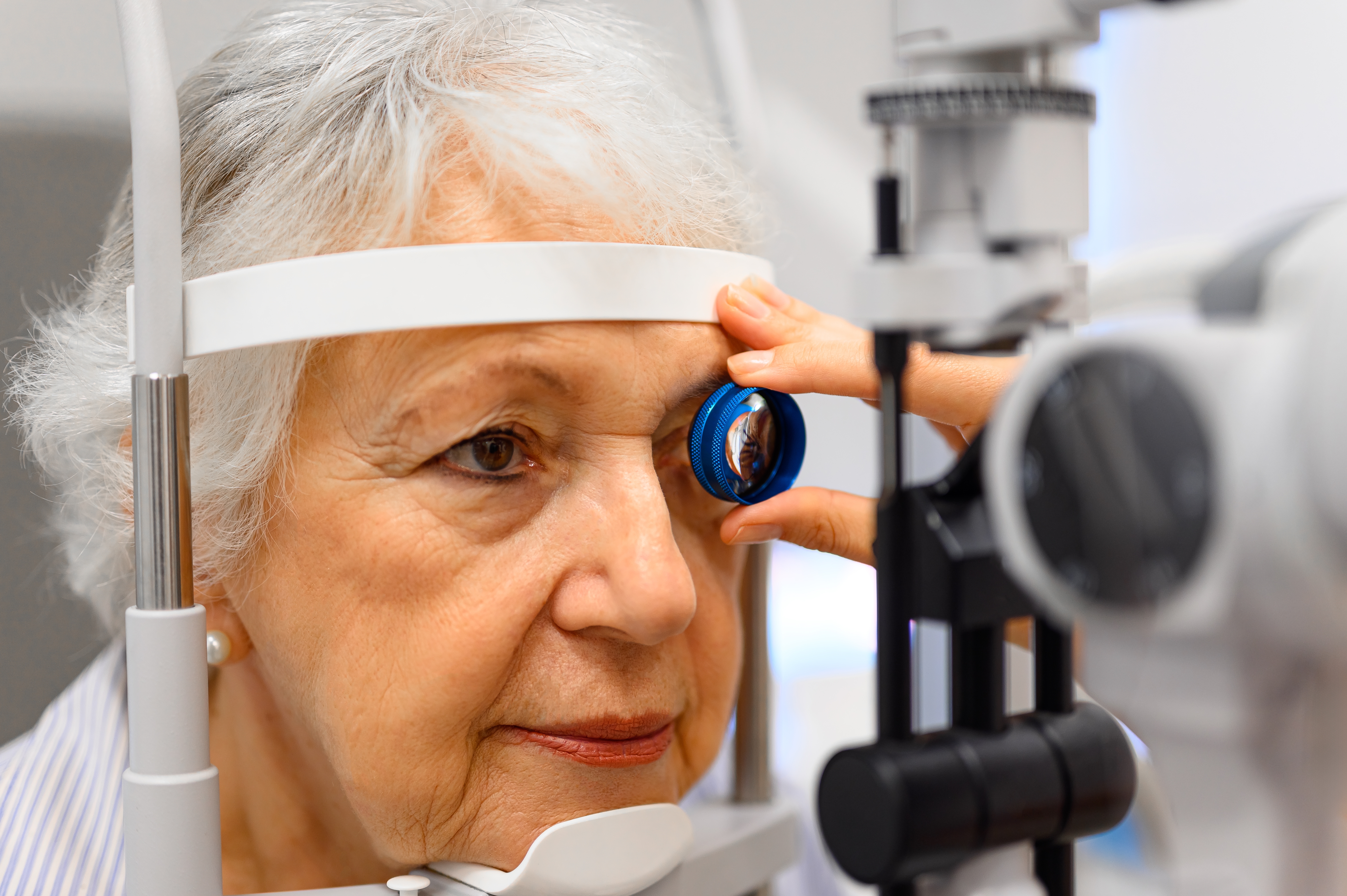
Glaucoma can change vision so gradually that many people do not notice a problem right away. Because it often affects peripheral vision first, the condition may continue progressing before symptoms become obvious. Understanding how glaucoma affects vision over time can help patients take early signs seriously and stay consistent with routine eye care.
What Is Glaucoma?
Glaucoma is a group of eye diseases that damages the optic nerve, which carries visual information from the eye to the brain. In many cases, this damage is linked to increased pressure inside the eye, although glaucoma can also occur even when eye pressure appears normal.
How Vision Changes In the Early Stages
One reason glaucoma is so dangerous is that it usually does not affect central vision first. Instead, it often begins by damaging peripheral vision. That means patients may still read, drive, or see straight ahead fairly well while subtle side vision loss is already developing. Because these early changes are easy to miss, routine eye exams are essential.
How Glaucoma Progresses Over Time
As glaucoma advances, the areas of missing vision can become larger and more noticeable. Over time, untreated optic nerve damage can make it harder to navigate spaces, notice movement from the side, and perform daily tasks safely. If glaucoma continues to progress without treatment, it can eventually lead to severe and irreversible vision loss.
Symptoms Can Depend On the Type
Open-angle glaucoma is the most common form and usually progresses slowly and silently. Angle-closure glaucoma is less common but more urgent, and it can cause sudden symptoms such as eye pain, blurred vision, halos around lights, nausea, and headaches. Any sudden change in vision should be evaluated right away.
Why Regular Monitoring Is Essential
We look for glaucoma through comprehensive testing that may include eye pressure measurement, evaluation of the optic nerve, imaging, dilation, and peripheral vision testing. These exams help us detect changes early and monitor the condition over time before more vision is lost.
How We Help Protect Vision
Although glaucoma cannot be cured, it can often be managed to help slow further damage and protect the vision you still have. Depending on the type and severity of glaucoma, treatment may include prescription eye drops to lower eye pressure, oral medications in some cases, or laser treatment to improve fluid drainage within the eye.
If more advanced treatment is needed, we may refer you for surgical care to help better control the condition. With early diagnosis and consistent follow-up, many patients are able to preserve remaining vision and reduce the risk of progression.
Contact Eye-Site of Boynton Beach for personalized glaucoma care and routine eye exams. Visit our office in Boynton Beach, Florida, or call (561) 738-0111 to book an appointment today.



Contact Info
Hours of Operation
- Monday 9:00 am - 5:00 pm
- Tuesday 11:00 am - 7:00 pm
- Wednesday 11:00 am - 7:00 pm
- Thursday 11:00 am - 7:00 pm
- Friday 9:00 am - 5:00 pm
- Saturday Closed
- Sunday Closed
Closed from 1:00 pm–2:00 pm for lunch daily
© 2026 Eye-Site of Boynton Beach. All rights Reserved. Accessibility Statement - Privacy Policy - Terms and Conditions - Sitemap
Powered by:
