
What Causes Astigmatism and How Does It Affect Vision?
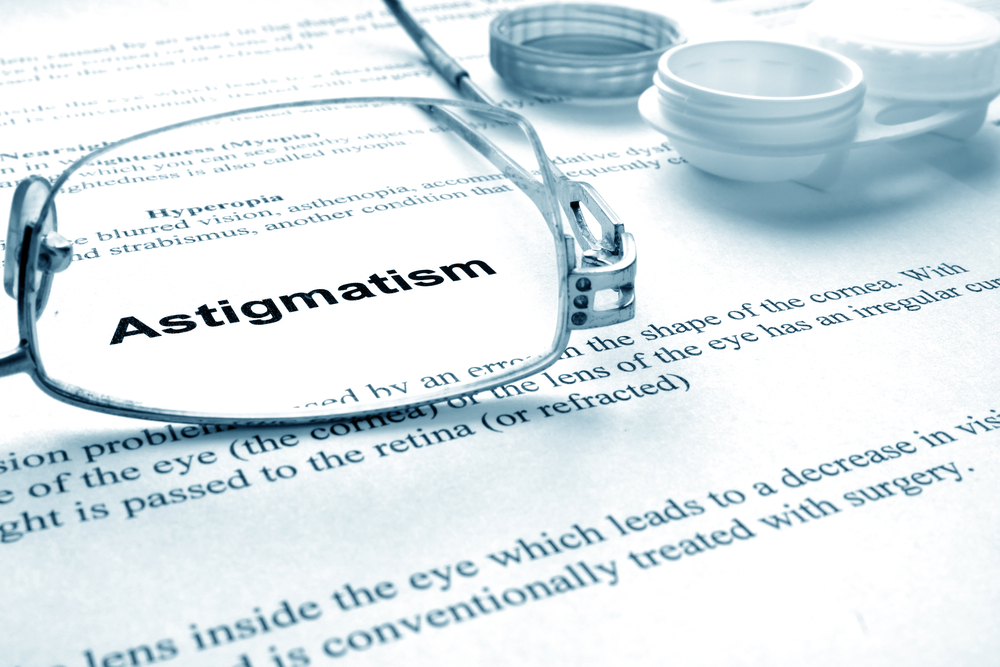
Astigmatism is a common vision condition that affects how the eye focuses light. While it’s often discussed alongside nearsightedness or farsightedness, astigmatism is different in how it impacts vision clarity and comfort. Understanding what causes astigmatism and how it affects your eyesight can help you recognize symptoms early and explore the right vision correction options.
What Is Astigmatism?
Astigmatism occurs when the shape of the eye is irregular. Instead of having a perfectly round cornea or lens, the eye has a more oval or football-like shape. This uneven curvature prevents light from focusing evenly on the retina, leading to blurred or distorted vision at both near and far distances. Astigmatism can occur on its own or in combination with other refractive errors such as myopia (nearsightedness) or hyperopia (farsightedness).
What Causes Astigmatism?
Astigmatism is most commonly caused by the natural shape of the eye and is often present from birth. In many cases, it runs in families. However, there are several factors that can contribute to or influence astigmatism:
Genetics: The most common cause; many people are born with astigmatism.
Eye injuries or trauma: Damage to the cornea can alter its shape.
Eye surgery: Certain surgical procedures may change the curvature of the cornea.
Keratoconus or corneal conditions: Progressive thinning or irregularities of the cornea can lead to increasing astigmatism over time.
How Astigmatism Affects Vision
Astigmatism causes light to focus at multiple points instead of one clear focal point. This can result in a variety of visual symptoms, including:
Blurry or distorted vision at all distances
Eye strain or discomfort
Headaches, especially after visual tasks
Difficulty seeing clearly at night
Squinting to improve focus
Because these symptoms can be subtle or develop gradually, many people don’t realize they have astigmatism until it’s detected during a comprehensive eye exam.
Contact Lens Options for Astigmatism
Thanks to advances in contact lens technology, many patients with astigmatism can comfortably wear contacts. These lenses are designed to stay in a stable position on the eye to provide consistent vision correction.
Contact lens options may include:
Toric soft contact lenses: Specifically designed for astigmatism and available in daily, bi-weekly, and monthly options.
Rigid gas permeable (RGP) lenses: Provide crisp vision by maintaining their shape on the eye, which can be beneficial for certain prescriptions.
Specialty contact lenses: Used for more complex or irregular corneas.
A proper contact lens fitting is essential for comfort, clear vision, and eye health.
The Importance of Regular Eye Exams
Astigmatism can change over time, making routine eye exams essential. A comprehensive eye exam allows your optometrist to detect astigmatism early, monitor changes, and ensure your prescription remains accurate. Regular exams also help identify other eye health concerns that may affect your vision.
Take the Next Step Toward Clearer Vision at Eye-Site of Boynton Beach
Astigmatism is a common and manageable vision condition caused by an irregularly shaped cornea or lens. While it can affect vision clarity and comfort, modern eyeglass and contact lens options make it easy to achieve clear, comfortable sight. With the right prescription and ongoing eye care, astigmatism does not have to interfere with your daily life.
If astigmatism is affecting your vision, Eye-Site of Boynton Beach offers customized eyeglass and contact lens options designed to provide clear, comfortable sight. Schedule a comprehensive eye exam to explore the best solution for your eyes. Visit our office in Boynton Beach, Florida, or call (561) 738-0111 today.


Contact Info
Hours of Operation
- Monday 9:00 am - 5:00 pm
- Tuesday 11:00 am - 7:00 pm
- Wednesday 11:00 am - 7:00 pm
- Thursday 11:00 am - 7:00 pm
- Friday 9:00 am - 5:00 pm
- Saturday Closed
- Sunday Closed
Closed from 1:00 pm–2:00 pm for lunch daily
© 2026 Eye-Site of Boynton Beach. All rights Reserved. Accessibility Statement - Privacy Policy - Terms and Conditions - Sitemap
Powered by:
